
In the classroom
Practical life, sensorial, cultural, math and language — what each area of the room is for, and what your child actually does there.
What happens in each classroom at The Peace Rose?
Every Montessori classroom is organised into five areas. A child moves between them freely during the work cycle, and each one is designed to hand them a little more independence than the last.
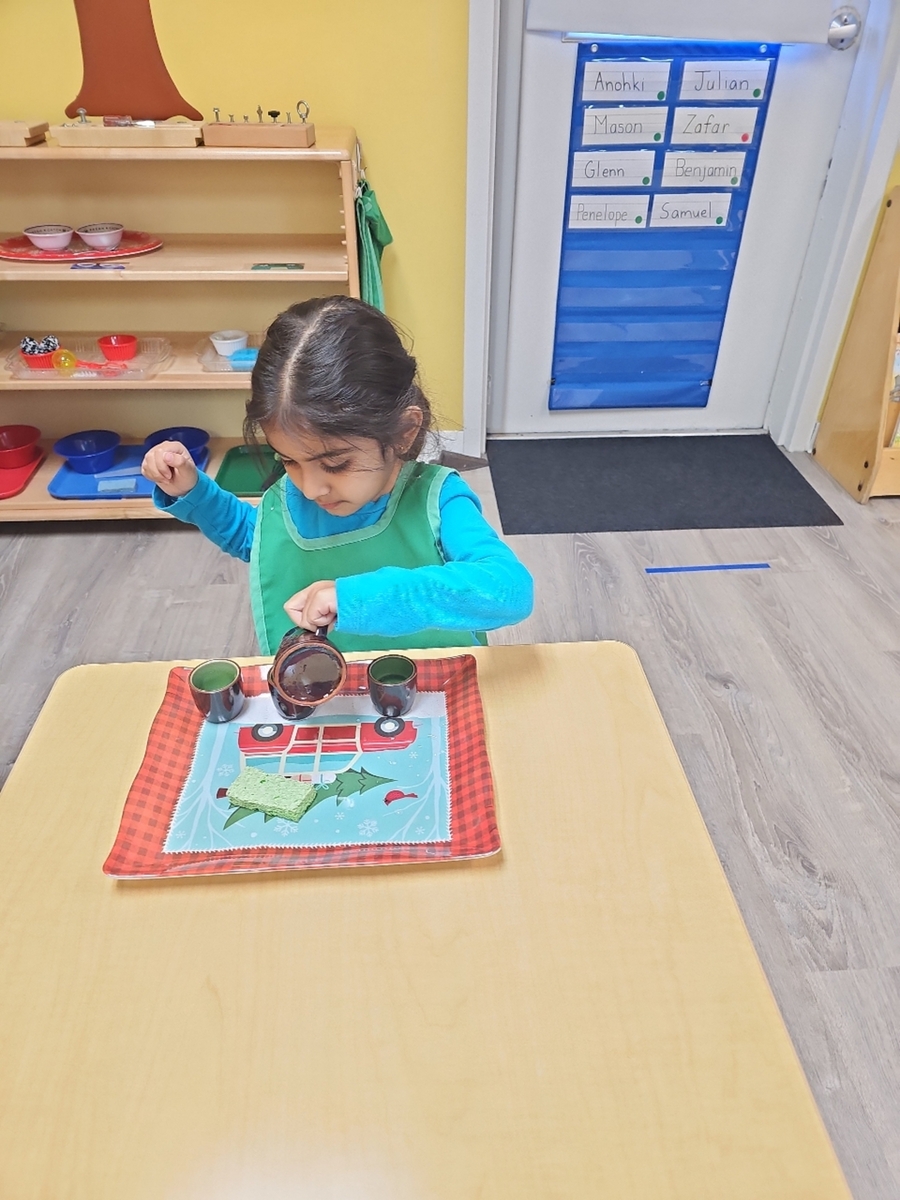
Practical Life
The general purpose of this area is to build upon the child’s innate sense of order, to promote motor coordination, concentration and independence. Activities such as pouring, buttoning and cleaning increase their independence and encourage self-confidence.
At the same time they are indirectly developing fine motor skills with lessons such as tweezing, which will help when they begin to write. They learn to care for themselves and their environment, initiating a sense of responsibility, respect and love of learning.
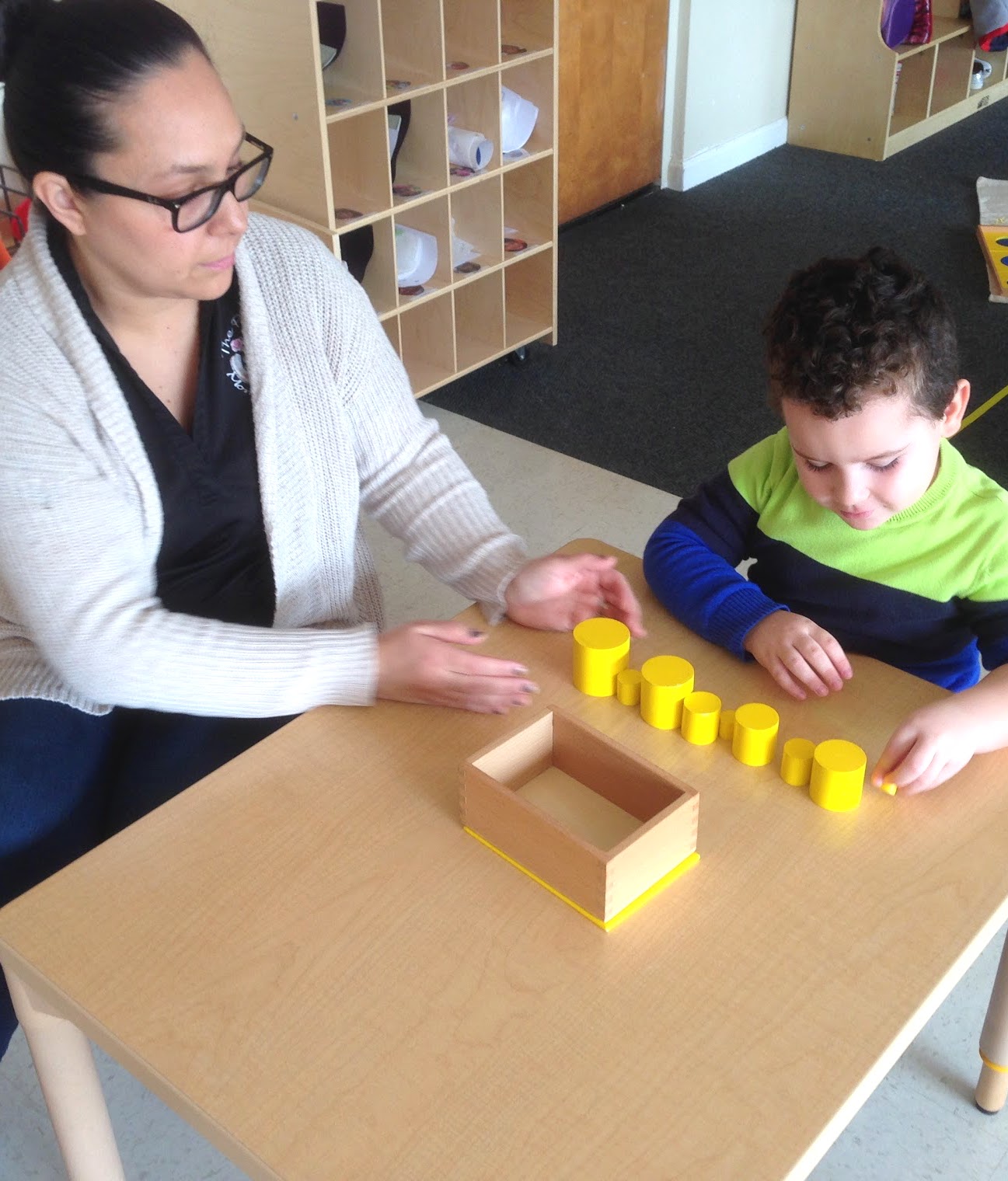
Sensorial
The purpose of the activities in this area is to educate the child’s senses so that they can better understand the world around them. Using the materials in this area the child develops various senses, including visual discrimination and visual span, which is important for moving on to pre-reading exercises.
They use their senses to learn about specific concepts such as size and texture. Here they discover the difference between rough and smooth, which is later used when they begin studying the sounds of the alphabet with the sandpaper letters.
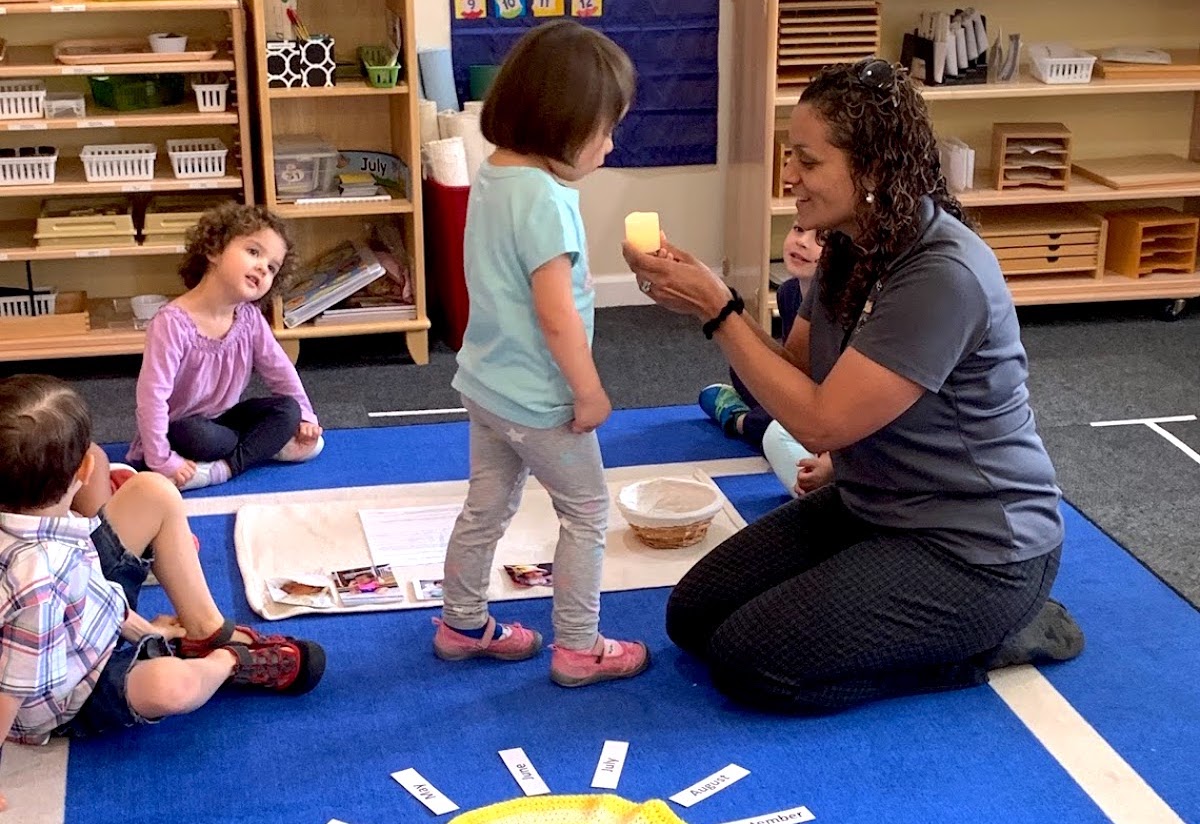
Cultural
The world is grand, but everything in our universe is interconnected. If we do not take care of our world, it will not take care of us. We are all equal; we may have different customs and beliefs but inside we are all the same. The cultural area of the classroom introduces a child to these very important ideas.
Most of it is incorporated into our circle activities. Beginning with the whole, using a globe that has blue to represent water and grey, rough material to represent the land, Maria Montessori’s cultural materials introduce the child to the world and then to its parts. It introduces concepts such as taking care of our environment and others. The cultural area gives the child facts to grow on.
It is divided into seven subjects:
- Geography
- History
- Botany
- Zoology
- Science
- Art
- Music
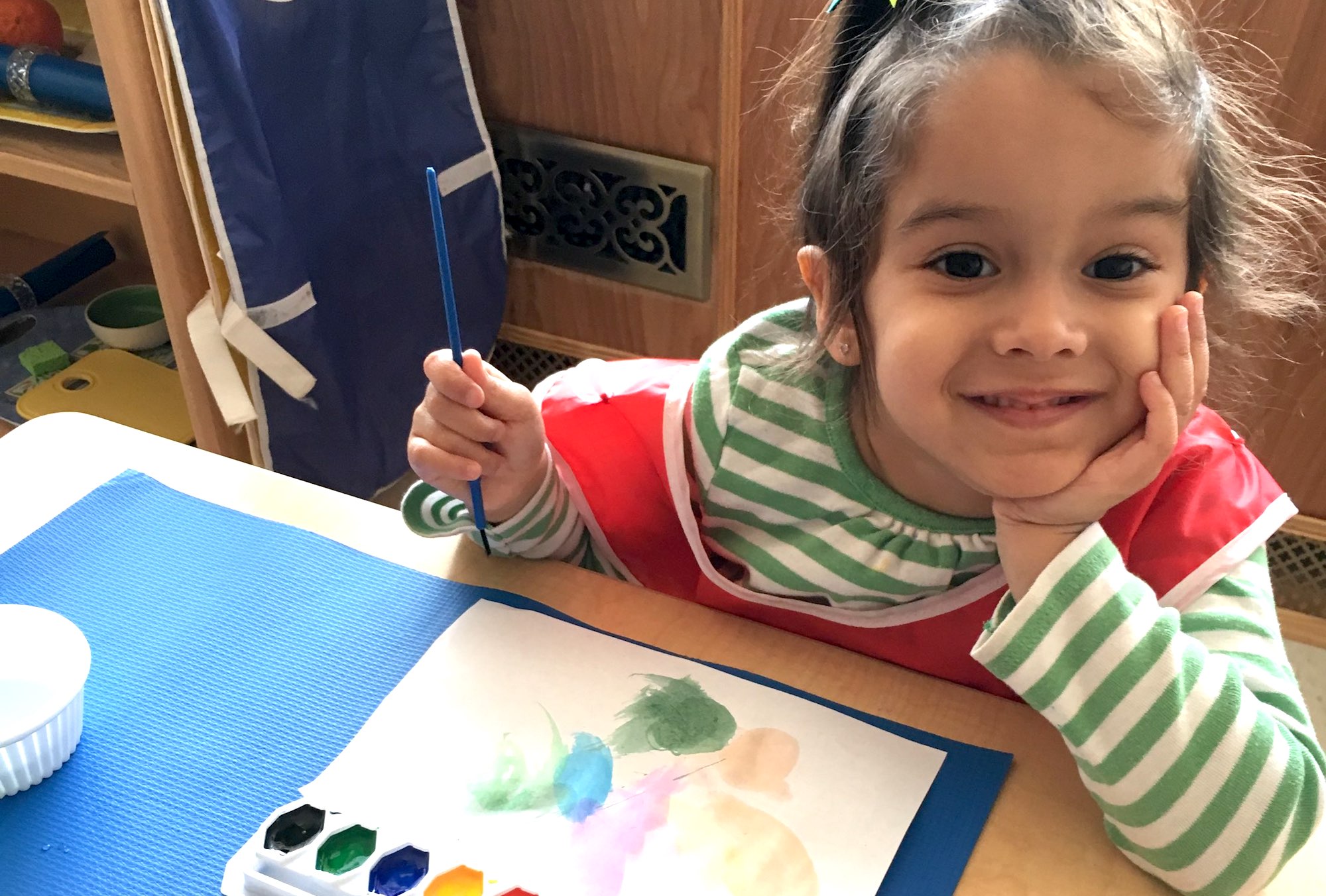
Math
The math materials progress from concrete to abstract. Unlike the traditional way of teaching math, in which memorization was the key to doing math correctly, here math is first learned via the senses. This makes math so much more interesting and far easier to comprehend.
Children first learn and practise counting up to ten and recognizing the numbers and quantities, using number rods, sandpaper numbers, number cards, the spindle box, cards and counters and more. Once they are proficient they are introduced to the decimal system and end up learning to count eventually to 9,000. Using concrete materials like the golden beads, short bead stair and operation boards, the children learn addition, subtraction, multiplication and division. Because they understand it and math is entertaining to work with, they will be confident with their math skills in the future.
Language
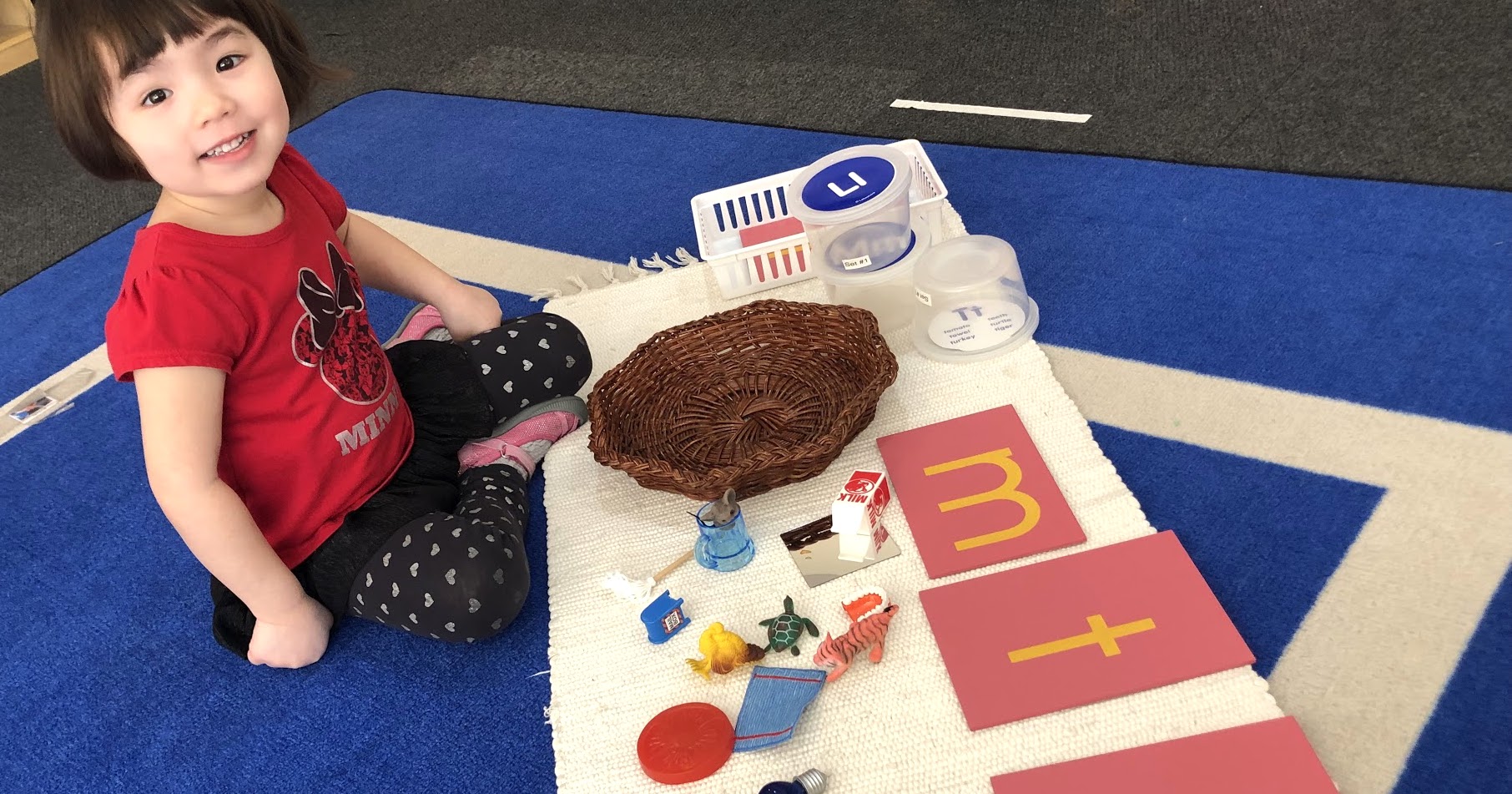
The materials used in this area also progress from concrete to abstract. Writing begins with tracing the formations of letters in sand, moving to chalkboards, using our metal insets and a series of differently lined papers.
Reading starts with the sandpaper letters, where children learn the sound of each letter by tracing the rough outline. Eventually they build words with our movable alphabet; once they have repeated this exercise they are reading basic phonetic words and matching objects, then pictures, with words, progressively moving towards books. Once they have completed the phonetic materials they advance to non-phonetic words and more advanced language skills such as grammar.
Those extra hours, put to work
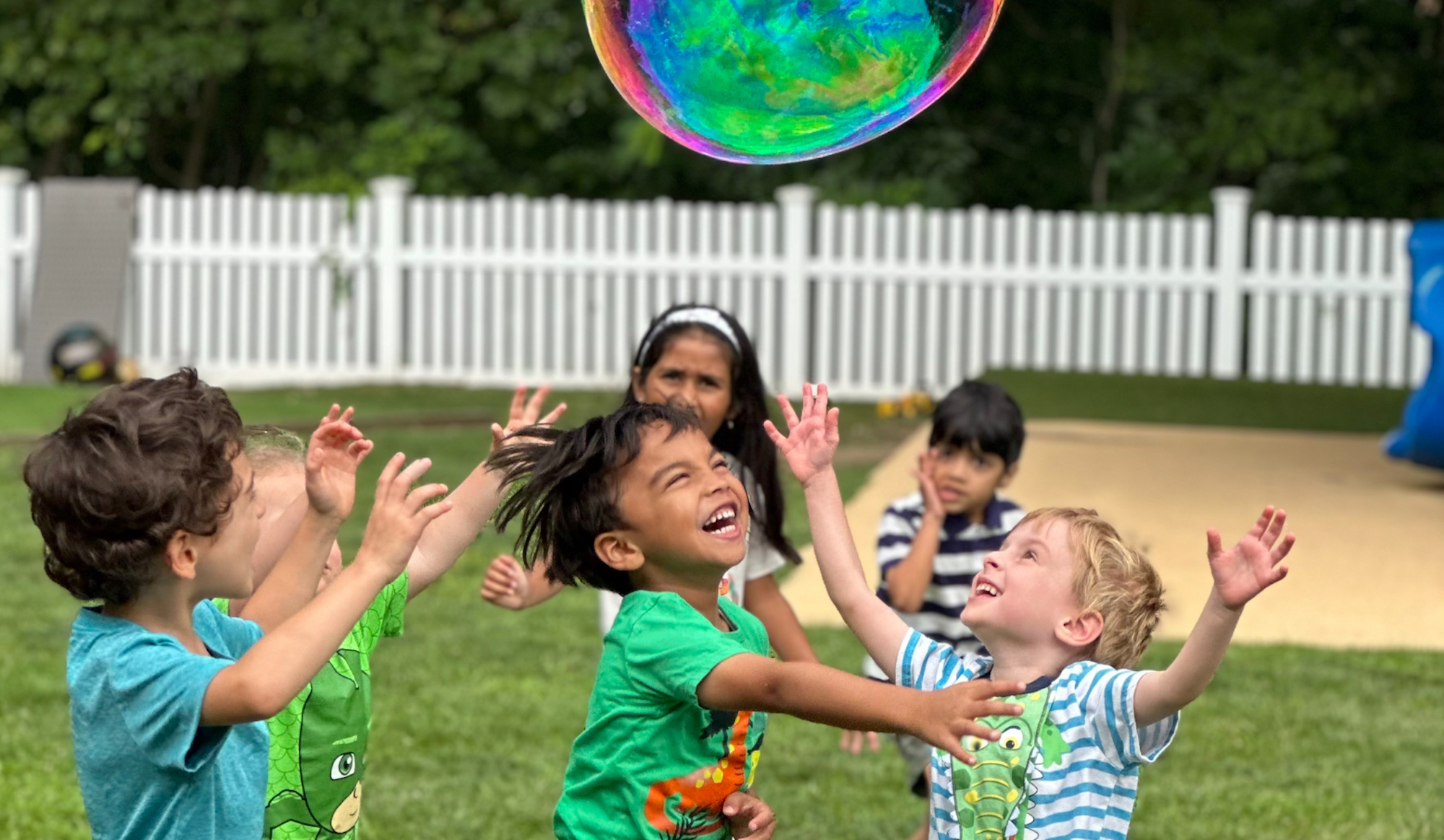
Those extra hours before school starts can be more productive for your child. He or she could take part in learning activities or have social interaction with peers. After school, the same activities can supplement classroom learning. At The Peace Rose Montessori School we offer a program for children to spend their time before and after school.
Here are some of the activities that we facilitate:
- Music group dancing
- Board games
- Puzzles
- Arts & crafts
- Community service projects
- Theater activities
- Playground activities (weather permitting)
Please call us at 732-518-8745 for further inquiries about this program.
- Visit us
- 3079 Bordentown Avenue
Parlin, New Jersey 08859
- Call or text
- 732-518-8745
- admin@thepeacerose.com
- Hours
- Monday to Friday, 7:30 a.m. to 6:00 p.m.
Half-day and full-day programs, with extended care on both ends of the day.
See a classroom for yourself
The best way to understand a prepared environment is to stand in one.
Yes, I want to book a school tour →